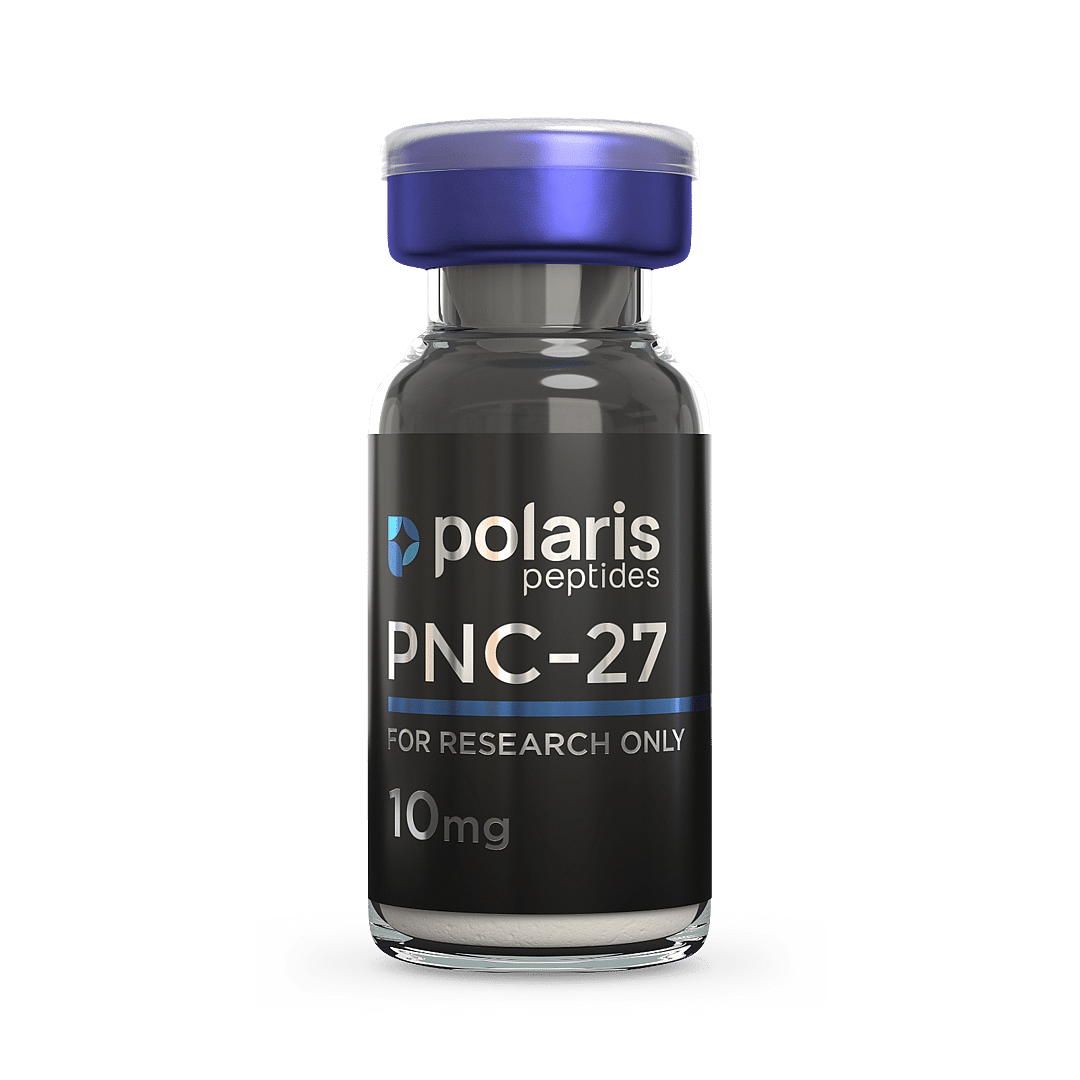
PNC-27 10mg
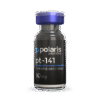
$150.00
Buy PNC‑27 10 mg — p53‑Derived Cell‑Penetrating Peptide, High Purity
Lyophilized 10 mg vial, >99 % purity (HPLC‑MS) and vacuum‑sealed. Store −20 °C dry; 2–8 °C reconstituted; complete work within 28 days. For laboratory research only. Not intended for human or veterinary applications.PNC-27 10mg is an experimental research peptide studied for its interaction with p53-related cellular pathways and membrane-associated mechanisms. Researchers investigate PNC-27 in laboratory models involving cellular signaling, membrane biology, apoptosis-related pathways, and molecular research. Supplied in a 10mg research format, this product is intended strictly for scientific and laboratory research.
PNC-27 10mg – Experimental Research Peptide
PNC-27 10mg is an experimental peptide that has attracted interest in molecular and cellular biology research. The compound is associated with studies involving the tumor suppressor protein p53 and membrane-related cellular mechanisms. Researchers investigate PNC-27 to better understand peptide interactions, cellular signaling, membrane biology, and mechanisms associated with programmed cell death.
This 10mg research format provides a defined quantity of peptide material for controlled laboratory investigation and analytical research. Its distinctive molecular design makes PNC-27 an interesting compound for researchers exploring relationships between intracellular proteins and cellular membranes.
What Is PNC-27?
PNC-27 is an experimental peptide derived from research involving the p53 protein. It incorporates a segment associated with the MDM2-binding domain of p53 along with a membrane-targeting component.
p53 is a well-known protein involved in cellular stress responses, cell-cycle regulation, DNA damage responses, and apoptosis. Researchers study peptides such as PNC-27 to investigate how specific molecular interactions may influence these complex cellular pathways.
Because PNC-27 involves both p53-related signaling and membrane interactions, it provides researchers with a specialized model for studying peptide-mediated cellular mechanisms.
PNC-27 and p53 Research
The p53 pathway is one of the most extensively studied regulatory systems in molecular biology. Under different cellular conditions, p53 can influence gene expression, cell-cycle activity, DNA repair, and programmed cell death.
PNC-27 research focuses on the interaction between the peptide and p53-related mechanisms, providing researchers with an experimental model for investigating protein-peptide interactions and downstream cellular responses.
These studies may help scientists better characterize the molecular relationships involved in p53 signaling and membrane-associated activity.
Key Research Areas
PNC-27 10mg may be relevant to laboratory research involving:
- p53-related signaling
- Protein-peptide interactions
- Cellular membrane research
- Apoptosis-related pathways
- Molecular biology
- Cellular signaling
- Cell-cycle research
- Cancer biology research models
- Experimental peptide science
These areas allow researchers to examine PNC-27 under controlled experimental conditions and evaluate its molecular characteristics.
Why Researchers Study PNC-27
PNC-27 is of particular interest because its design combines a p53-associated peptide sequence with a membrane-targeting component. This provides researchers with an opportunity to investigate how peptide structure and cellular localization may influence biological interactions.
Laboratory studies can examine peptide behavior, protein interactions, membrane-associated mechanisms, and cellular responses. Such research contributes to the broader understanding of molecular signaling and peptide biology.
The 10mg format provides a defined quantity for laboratory inventory, analytical studies, and controlled experimental protocols.
PNC-27 10mg Research Format
Researchers should verify the identity, specifications, and available analytical documentation for PNC-27 before beginning experimental work. Proper procedures should be followed for receiving, labeling, storing, and handling research peptides.
Maintaining consistent laboratory practices can help protect research material integrity and support reliable experimental observations.
Storage and Handling
PNC-27 10mg should be stored and handled according to the manufacturer’s specifications and appropriate laboratory procedures. Researchers should consider the product’s formulation, packaging, environmental conditions, and documented storage requirements.
Always review the accompanying product documentation for material-specific storage and handling information.
Research Use Only
PNC-27 10mg is supplied strictly for scientific research and laboratory use. It is not intended for human or veterinary use, self-administration, diagnosis, treatment, prevention, or use as a dietary supplement.
This product is intended for qualified researchers investigating p53 biology, membrane interactions, cellular signaling, apoptosis-related mechanisms, protein-peptide interactions, and other areas of molecular and cellular research.
| Weight/Mass | 10mg |
|---|
Related products