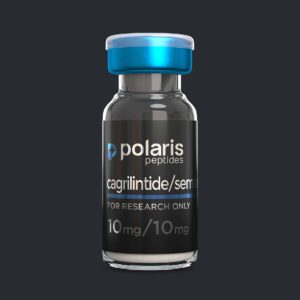
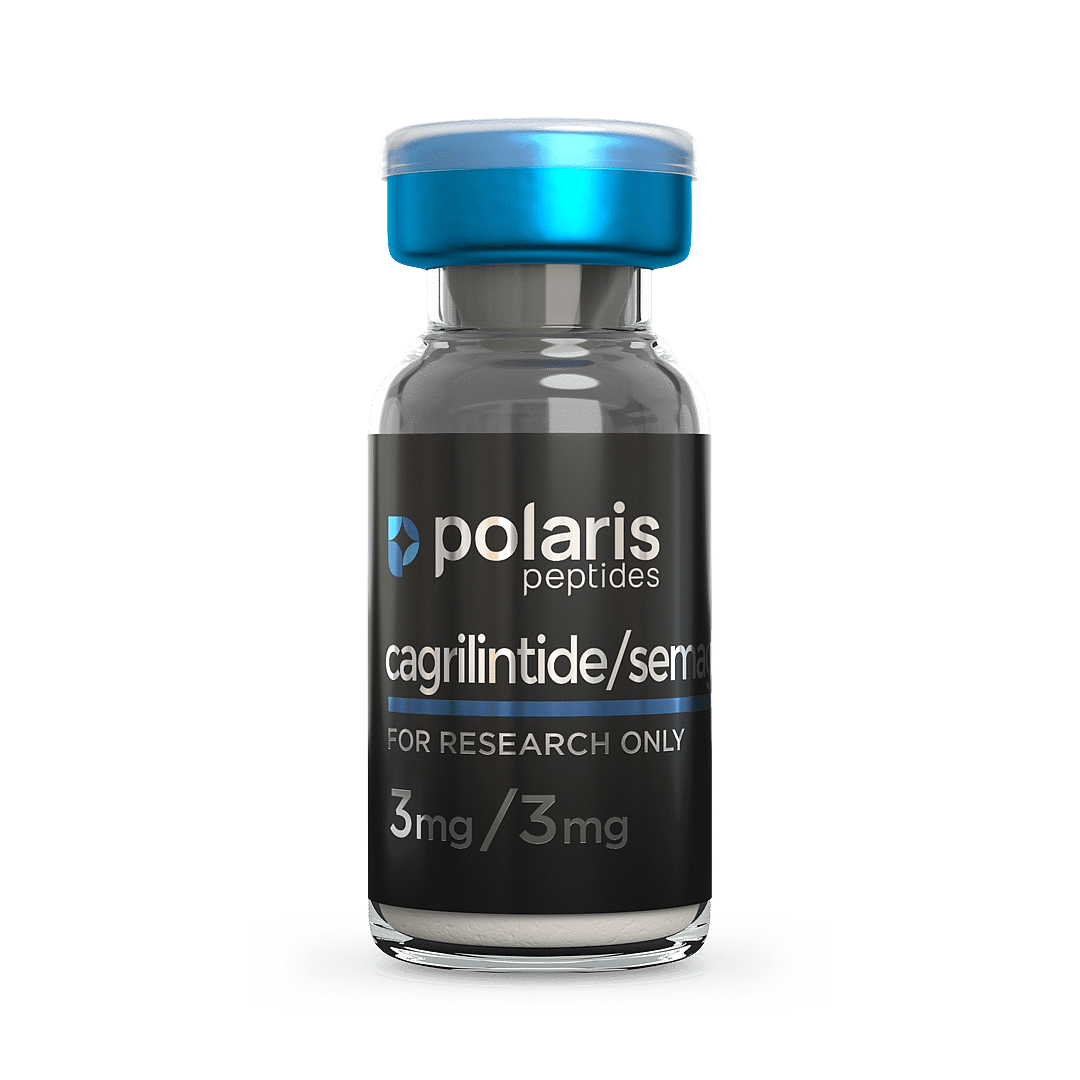
Cagrilintide 3mg, Semaglutide 3mg Blend (SALE!)
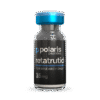

Original price was: $75.00.$50.00Current price is: $50.00.
Cagrilintide 3mg + Semaglutide 3mg Blend is an investigational peptide combination designed to support research into complementary metabolic pathways. Cagrilintide is an amylin analog, while semaglutide acts on the GLP-1 receptor. This blend is of interest in research involving appetite signaling, glucose metabolism, energy balance, and metabolic biology. For research and educational purposes only.
Cagrilintide 3mg + Semaglutide 3mg Blend: An Informational Research Guide
Cagrilintide and Semaglutide Blend
Cagrilintide 3mg + Semaglutide 3mg Blend is an investigational peptide combination containing two compounds with different but potentially complementary mechanisms of action. Cagrilintide is an amylin analog, while semaglutide is a GLP-1 receptor agonist.
Researchers are interested in this combination because amylin and GLP-1 signaling are both involved in physiological processes related to appetite, food intake, glucose regulation, and energy balance. Studying the two pathways together may provide useful insights into metabolic signaling.
The product contains a labeled 3mg quantity of cagrilintide and 3mg quantity of semaglutide. These amounts describe the research material and should not be interpreted as a recommended human dose.
Cagrilintide and Amylin Research
Cagrilintide is a long-acting analog of amylin, a hormone involved in regulating food intake and metabolic processes. Amylin signaling is associated with appetite-related pathways, gastric emptying, and glucose metabolism.
Researchers study cagrilintide to better understand how amylin receptor activity may influence energy balance and metabolic signaling. Its distinct mechanism makes it an important subject in peptide and metabolic research.
Semaglutide and GLP-1 Research
Semaglutide is a GLP-1 receptor agonist that has been extensively studied in metabolic and pharmaceutical research. GLP-1 signaling is involved in glucose-dependent insulin secretion, glucagon regulation, gastrointestinal activity, and appetite-related pathways.
Research involving semaglutide provides scientists with opportunities to investigate how GLP-1 receptor activation influences glucose metabolism and energy balance.
Why Study Cagrilintide and Semaglutide Together?
The combination of an amylin analog with a GLP-1 receptor agonist is of particular interest because the two compounds operate through different biological pathways.
Researchers can investigate whether simultaneous activity across amylin and GLP-1 pathways produces different metabolic responses than studying either pathway individually.
Potential research areas include:
- Appetite and energy-balance signaling
- Glucose metabolism
- Amylin receptor pathways
- GLP-1 receptor signaling
- Metabolic hormone research
- Peptide pharmacology
- Food-intake regulation
- Pharmaceutical development
Cagrilintide 3mg + Semaglutide 3mg Research Applications
This peptide blend may be relevant to qualified researchers studying metabolic biology, receptor signaling, peptide pharmacology, and endocrine pathways.
Laboratory research should be conducted using appropriate scientific protocols, validated analytical methods, and applicable institutional or regulatory requirements.
Because the product contains two distinct investigational compounds, researchers should also consider the identity, purity, characterization, and stability of each component when evaluating the research material.
Product Quality and Storage Considerations
Research peptide blends should be evaluated according to appropriate quality-control procedures. Researchers may consider analytical documentation, peptide identity, purity, storage conditions, and product consistency.
Following manufacturer-provided storage and handling specifications can help maintain the integrity of the research material. Laboratory personnel should use appropriate procedures when working with investigational peptides.
Cagrilintide 3mg + Semaglutide 3mg Research Overview
Cagrilintide 3mg + Semaglutide 3mg Blend represents an interesting area of metabolic peptide research because it combines amylin-related signaling with GLP-1 receptor activity.
Cagrilintide and semaglutide have different biological mechanisms, giving researchers an opportunity to study how these pathways may interact in experimental models involving appetite regulation, glucose metabolism, energy balance, and metabolic signaling.
As research continues, this combination may provide further insight into the complex relationship between metabolic hormones and appetite-related pathways.
Research Use Notice: Cagrilintide and semaglutide have different regulatory and clinical statuses depending on the specific product and jurisdiction. This research blend should not be represented as an approved medication or as a substitute for prescribed treatment. The information above is provided for research and educational purposes only and is not medical advice.
| Weight/Mass | 3mg/3mg |
|---|
Related products
Metabolic & GLP-1 Analogues