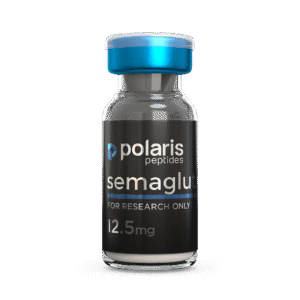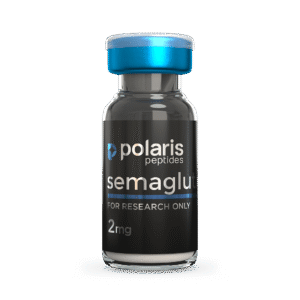

Semaglutide 20mg

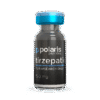
$175.00
Semaglutide 20mg is an investigational peptide studied for its activity at the GLP-1 receptor, a pathway involved in glucose metabolism, appetite regulation, and energy balance. It is widely researched in metabolic and pharmaceutical science. For research and educational purposes only.
Semaglutide 20mg: An Informational Guide to GLP-1 Peptide Research
Semaglutide
Semaglutide is a synthetic peptide and GLP-1 receptor agonist that has been extensively studied in metabolic and pharmaceutical research. It is structurally related to the naturally occurring hormone glucagon-like peptide-1 (GLP-1), which plays an important role in glucose regulation, appetite, and energy balance.
Semaglutide 20mg refers to a research product containing a labeled quantity of semaglutide. Researchers studying GLP-1 signaling may investigate the compound to better understand its effects on metabolic pathways and related biological processes.
How Does Semaglutide Work?
Semaglutide interacts with GLP-1 receptors, which are found in several tissues throughout the body. GLP-1 signaling is involved in processes including glucose-dependent insulin secretion, regulation of glucagon, gastric motility, and appetite-related signaling.
Because of its activity at the GLP-1 receptor, semaglutide has become an important compound in research examining metabolic regulation. Scientists continue to investigate how GLP-1 receptor activation influences different physiological pathways.
Semaglutide and Metabolic Research
A significant area of research involving semaglutide focuses on glucose metabolism and energy balance. Researchers study how GLP-1 receptor signaling may influence glucose-dependent responses and appetite-related pathways.
Semaglutide has also become an important research compound for studying the relationship between hormonal signaling, food intake, metabolic regulation, and body-weight changes.
These research areas contribute to a broader understanding of GLP-1 biology and how receptor-targeting peptides may interact with metabolic systems.
Why Is Semaglutide Important in Research?
Semaglutide is particularly relevant to researchers because GLP-1 signaling connects several important metabolic processes. Investigating this pathway can help scientists understand how hormonal signals communicate with tissues involved in glucose regulation and energy balance.
Common research areas include:
- GLP-1 receptor signaling
- Glucose metabolism
- Appetite and energy-balance research
- Hormonal signaling
- Metabolic pathway research
- Peptide pharmacology
- Pharmaceutical development
Semaglutide 20mg Research Applications
Semaglutide 20mg may be relevant to laboratory research involving GLP-1 receptor biology, peptide pharmacology, metabolic signaling, and related scientific fields.
Researchers working with investigational peptide materials should use appropriate laboratory procedures and validated analytical methods. The labeled 20mg amount identifies the quantity of semaglutide in the research product and should not be interpreted as an established therapeutic dose.
Product Quality and Research Considerations
When evaluating a research peptide such as semaglutide, researchers may consider identity, purity, analytical characterization, storage conditions, and product documentation.
Appropriate handling and storage are important for maintaining the integrity of peptide research materials. Researchers should follow applicable laboratory procedures and manufacturer-provided storage requirements.
Semaglutide 20mg Research Overview
Semaglutide 20mg is a research-focused peptide product associated with the study of GLP-1 receptor signaling and metabolic biology. Its relationship with glucose regulation, appetite-related pathways, and energy balance has made semaglutide an important subject in pharmaceutical and metabolic research.
Continued investigation into GLP-1 receptor activity may help researchers better understand hormonal signaling and the complex biological processes involved in metabolic regulation.
Research Use Notice: Semaglutide is an approved prescription medication in certain formulations and indications, but this specific research product should not be represented as an approved or compounded medication. This description is provided for informational and research purposes only and is not medical advice.
| Weight/Mass | 20mg |
|---|
Related products