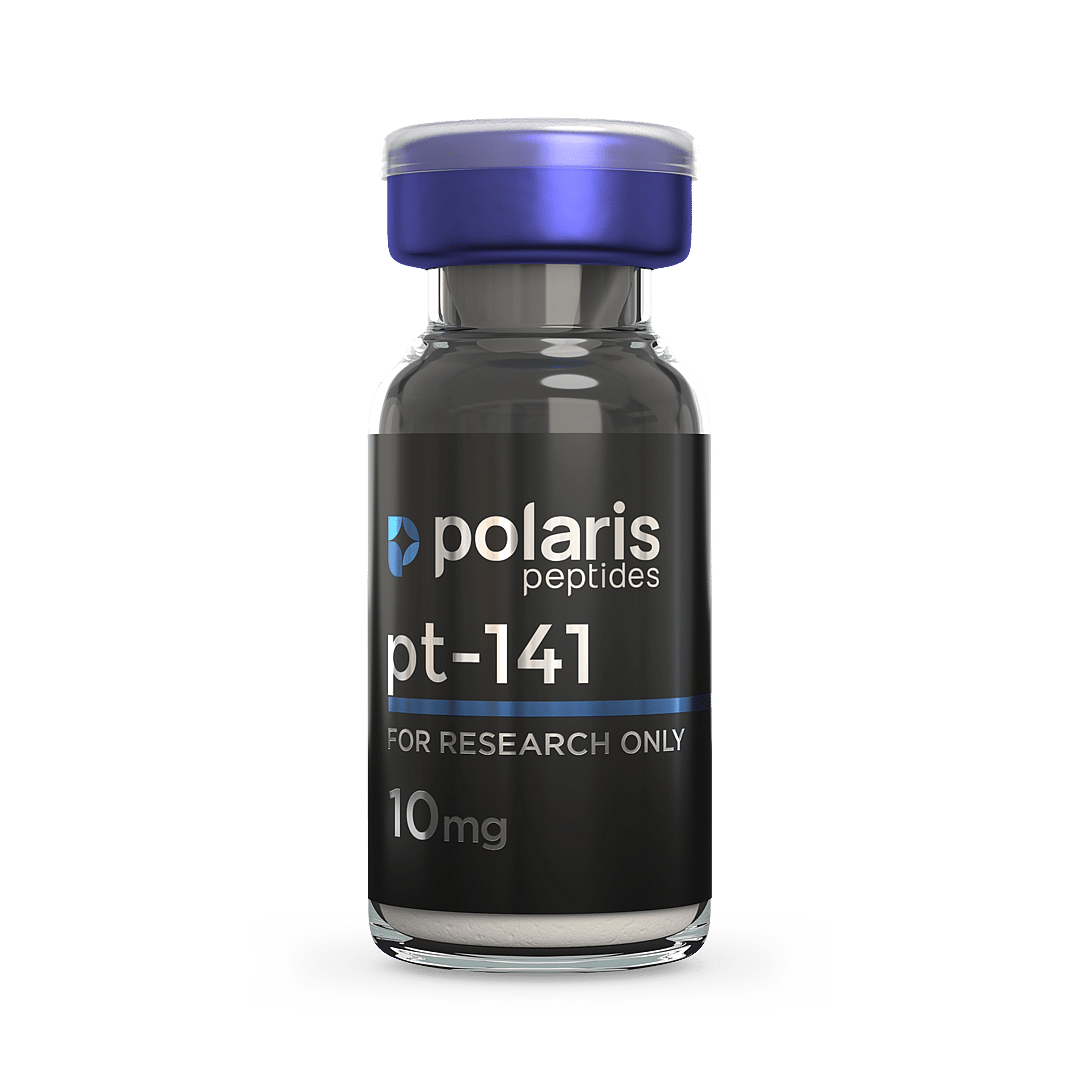
PT-141 (Bremelanotide) 10mg
$40.00
Buy PT‑141 (Bremelanotide) 10 mg — Melanocortin‑Receptor Agonist Peptide, High Purity
Lyophilized 10 mg vial, >99 % purity (HPLC‑MS) and vacuum‑sealed. Store −20 °C dry; 2–8 °C reconstituted; complete work within 28 days. For laboratory research only. Not intended for human or veterinary applications.PT-141 (Bremelanotide) 10mg is a synthetic peptide researched for its activity within melanocortin receptor pathways. It is studied in laboratory settings to explore melanocortin signaling, neurological pathways, receptor interactions, and related physiological processes. Supplied in a 10mg research format, this product is intended strictly for scientific and laboratory research.
PT-141 (Bremelanotide) 10mg – Research Peptide
PT-141, also known as Bremelanotide, is a synthetic peptide that has generated interest in research involving melanocortin receptors and related signaling pathways. Researchers investigate this compound to better understand how melanocortin receptor activity may influence neurological, behavioral, and physiological processes.
PT-141 10mg is supplied as a defined research format for laboratory and scientific applications. Its distinctive activity within the melanocortin system makes it a useful compound for researchers studying receptor biology, cellular signaling, and peptide-related mechanisms.
What Is PT-141 (Bremelanotide)?
PT-141 is a synthetic peptide derived from research surrounding melanocortin signaling. Its primary research interest comes from its interaction with melanocortin receptors, particularly pathways associated with the central nervous system.
Unlike peptides that are primarily investigated for metabolic or regenerative pathways, PT-141 provides researchers with an opportunity to examine melanocortin-mediated signaling and its relationship with neurological and behavioral processes.
Because melanocortin receptors are involved in several physiological systems, PT-141 continues to be examined in different areas of peptide and receptor research.
PT-141 and Melanocortin Receptor Research
Melanocortin receptors are a family of G-protein-coupled receptors involved in diverse biological signaling processes. Research into these receptors can provide insight into how specific peptide compounds interact with receptor systems and influence downstream cellular signaling.
PT-141 is particularly relevant to research involving melanocortin receptor activity. Laboratory investigations can examine receptor selectivity, signaling mechanisms, molecular interactions, and the broader role of melanocortin pathways in biological models.
This makes PT-141 an interesting compound for researchers studying peptide pharmacology and receptor-mediated signaling.
Key Research Areas
PT-141 10mg may be relevant to scientific research involving:
- Melanocortin receptor signaling
- Peptide receptor interactions
- Central nervous system research
- Cellular and molecular signaling
- Neurological pathway research
- Peptide pharmacology
- Receptor biology and ligand activity
- Behavioral and physiological research models
These research areas allow scientists to investigate the mechanisms associated with melanocortin pathways under controlled laboratory conditions.
Why Researchers Study PT-141
One of the main research interests surrounding PT-141 is its ability to interact with melanocortin receptor pathways. Studying compounds that influence these pathways can help researchers better understand receptor activation, signal transmission, and interactions between peptide ligands and biological systems.
PT-141 can therefore serve as a research compound in laboratory programs focused on melanocortin biology and related physiological mechanisms.
The 10mg format also provides a clearly defined quantity for research inventory, analytical work, and controlled laboratory studies.
PT-141 10mg Research Format
Researchers working with PT-141 should maintain appropriate laboratory documentation and follow established procedures for peptide storage and handling. Product labeling and manufacturer-provided documentation should always be reviewed before incorporating any research material into a laboratory protocol.
Proper storage, handling, and environmental control can help maintain the integrity of research peptides.
Research Use Only
PT-141 (Bremelanotide) 10mg is supplied strictly for scientific research and laboratory use. It is not intended for human or veterinary use, self-administration, diagnosis, treatment, prevention, or use as a dietary supplement.
Researchers should use appropriate laboratory practices and comply with all applicable institutional and regulatory requirements when working with research peptides.
PT-141 10mg provides researchers with a defined peptide material for investigating melanocortin receptor biology, peptide signaling, and related areas of scientific research.
| Weight/Mass | 10mg |
|---|
Related products