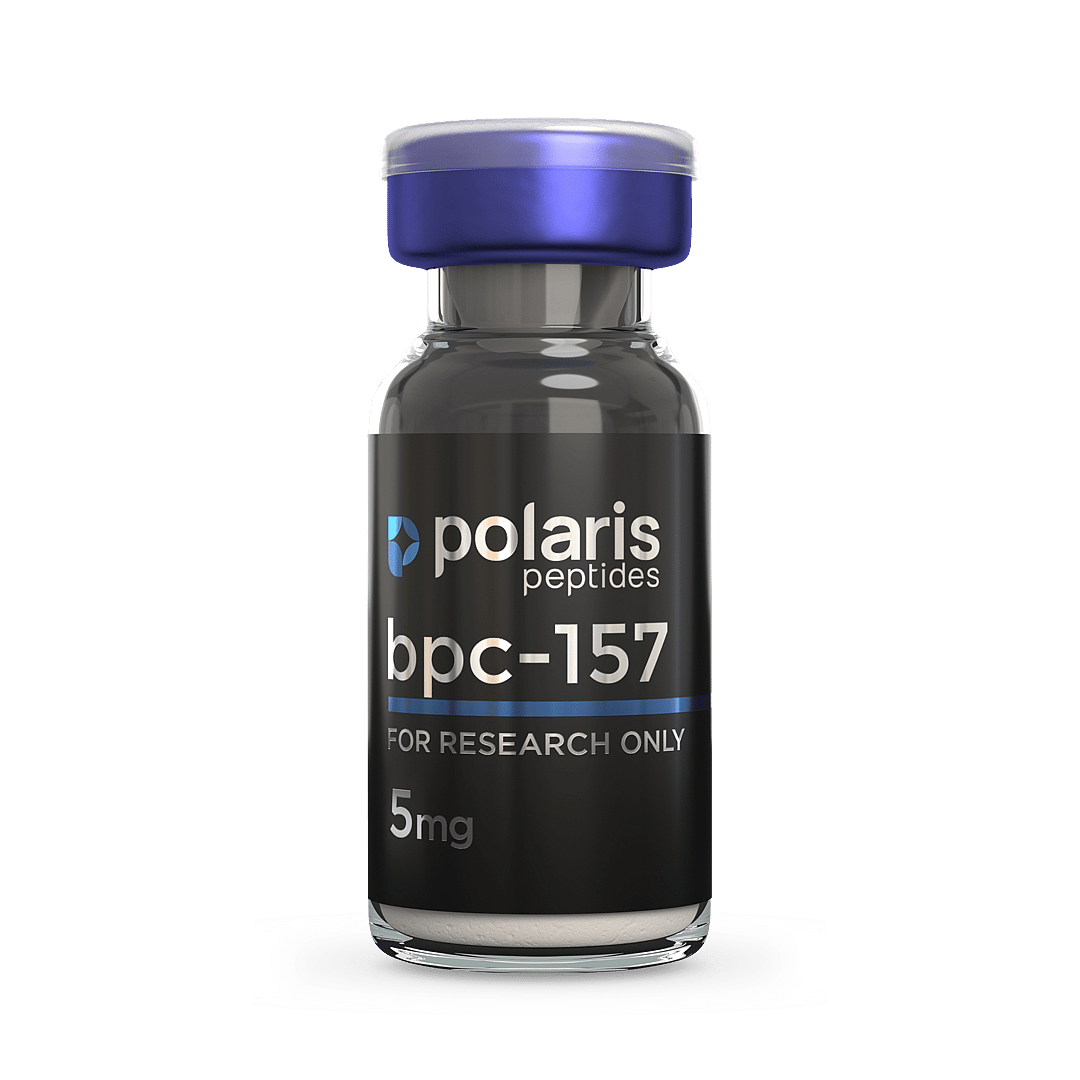
BPC-157 5mg
$35.00
Buy BPC‑157 5 mg — Gastric Pentadecapeptide, High Purity
Lyophilized 5 mg vial, >99 % purity (HPLC‑MS) and vacuum‑sealed. Store −20 °C dry; 2–8 °C reconstituted; complete work within 28 days. For laboratory research only. Not intended for human or veterinary applications.BPC-157 5mg is an experimental peptide studied in laboratory research involving cellular signaling, tissue biology, vascular pathways, and gastrointestinal research models. Researchers investigate BPC-157 to better understand peptide-mediated biological processes and cellular responses. Supplied in a defined 5mg research format, this product is intended strictly for scientific and laboratory research.
BPC-157 5mg – Experimental Research Peptide
BPC-157 5mg is an experimental research peptide that has attracted interest in cellular biology, tissue research, gastrointestinal studies, and peptide science. Researchers investigate BPC-157 to explore how peptide signaling may interact with cellular processes, vascular pathways, and biological responses in controlled research models.
This 5mg research format provides a defined quantity of BPC-157 for laboratory investigation, analytical studies, and experimental research. Its research profile makes it relevant to scientists exploring peptide biology, cellular communication, and tissue-related mechanisms.
What Is BPC-157?
BPC-157 is a synthetic peptide consisting of 15 amino acids and is associated with research into biological signaling and tissue-related processes. The peptide has been investigated primarily in preclinical research models, where scientists examine its interactions with different cellular and molecular pathways.
BPC-157 research is not limited to one biological system. Studies have explored its relationship with gastrointestinal biology, vascular signaling, cellular responses, and other physiological mechanisms.
BPC-157 and Cellular Research
Cellular signaling involves complex interactions between proteins, peptides, receptors, and other molecular components. Researchers study experimental peptides such as BPC-157 to better understand how these molecules may interact with cellular pathways.
Laboratory research can examine peptide activity, cellular responses, molecular signaling, and interactions with biological systems. These investigations may contribute to a broader understanding of how peptide compounds behave in experimental models.
Key Research Areas
BPC-157 5mg may be relevant to scientific research involving:
- Cellular signaling
- Peptide biology
- Gastrointestinal research models
- Vascular and endothelial research
- Tissue biology
- Molecular signaling
- Cellular response mechanisms
- Experimental peptide pharmacology
- Preclinical research
These areas allow scientists to investigate BPC-157 under controlled laboratory conditions without assuming clinical outcomes.
Why Researchers Study BPC-157
BPC-157 has generated interest because of its broad research profile across several biological systems. Scientists investigate the peptide to better characterize its molecular interactions and understand how experimental peptide compounds may influence cellular and tissue-related processes.
Researchers may also examine BPC-157 alongside other peptides or biological compounds in comparative laboratory studies. Such work can help characterize differences in peptide structure, signaling behavior, and biological activity.
The 5mg format provides a clearly defined quantity for laboratory inventory, analytical applications, and controlled experimental protocols.
BPC-157 5mg Research Format
Researchers should verify the identity, specifications, and available analytical documentation for BPC-157 before incorporating the material into a research program. Proper procedures should be followed for receiving, labeling, storing, and handling experimental peptides.
Maintaining accurate records and consistent laboratory protocols can help protect research material integrity and support reproducible scientific work.
Storage and Handling
BPC-157 5mg should be stored and handled according to the manufacturer’s specifications and appropriate laboratory procedures. Storage requirements may vary according to the product’s formulation and packaging.
Researchers should review the accompanying product documentation for specific storage conditions and handling requirements.
Research Use Only
BPC-157 5mg is supplied strictly for scientific research and laboratory use. It is not intended for human or veterinary use, self-administration, diagnosis, treatment, prevention, or use as a dietary supplement.
This product is intended for qualified researchers investigating peptide biology, cellular signaling, tissue-related pathways, gastrointestinal research models, vascular biology, and other areas of scientific research.
| Weight/Mass | 5mg |
|---|
Related products
Tissue Repair & Regenerative Research

Tissue Repair & Regenerative Research

Tissue Repair & Regenerative Research