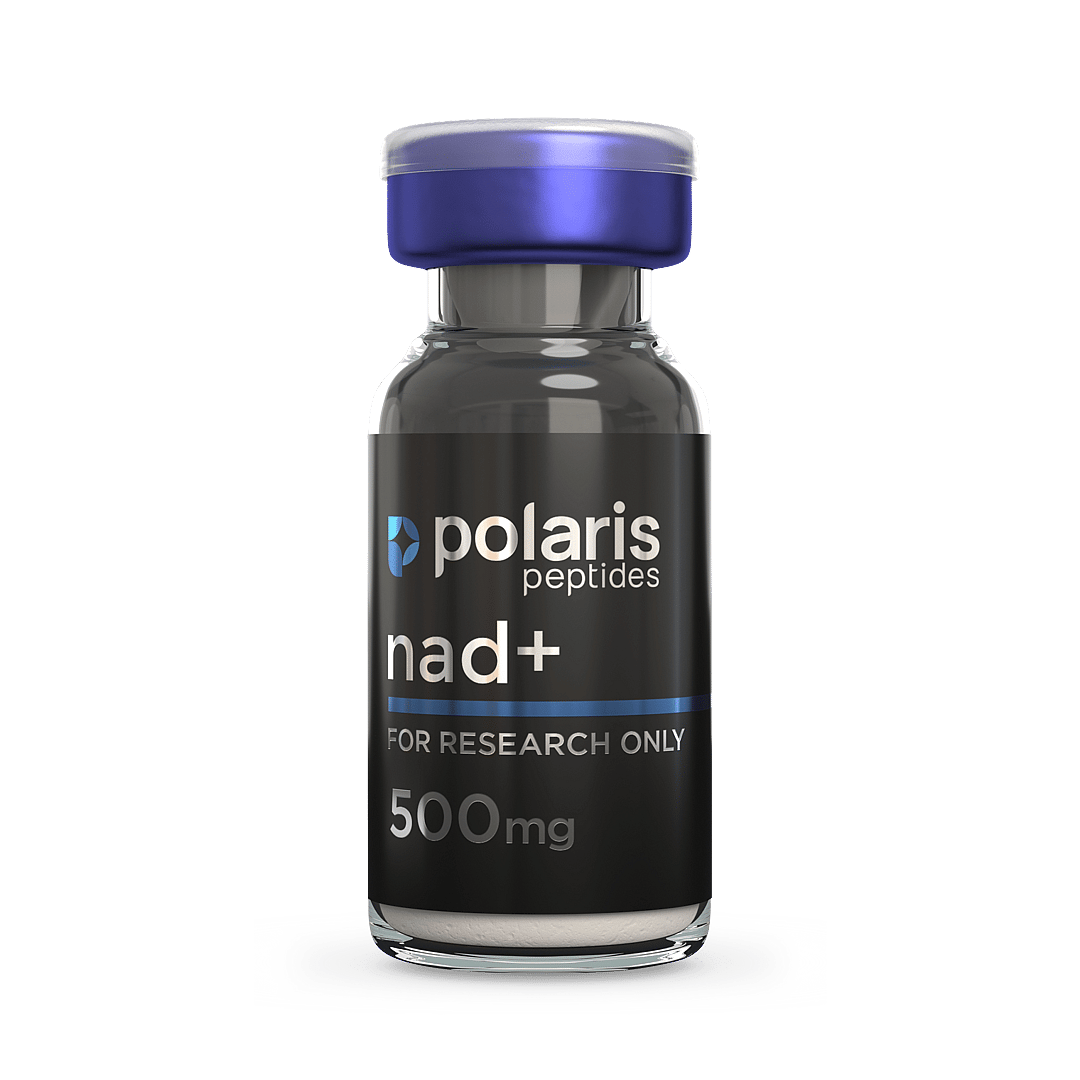
NAD+ 500mg

$90.00
Buy NAD⁺ 500 mg — Oxidized Coenzyme, High Purity
Lyophilized 500 mg vial, >99 % purity (HPLC‑MS) and vacuum‑sealed. Store −20 °C dry; 2–8 °C reconstituted; complete work within 28 days. For laboratory research only. Not intended for human or veterinary applications.NAD+ 500mg (Nicotinamide Adenine Dinucleotide) is a research compound studied for its essential role in cellular energy metabolism, redox reactions, mitochondrial function, and cellular signaling. Researchers investigate NAD+ and related metabolic pathways to better understand how cells produce and manage energy and respond to changes in their environment. Supplied in a 500mg research format, this product is intended strictly for scientific and laboratory research.
NAD+ 500mg – Nicotinamide Adenine Dinucleotide Research
NAD+ 500mg, short for Nicotinamide Adenine Dinucleotide, is an important biological coenzyme involved in numerous cellular processes. It has become a significant subject of research in molecular biology, cellular metabolism, mitochondrial function, and biochemical signaling.
Researchers study NAD+ because of its central role in oxidation-reduction reactions, which help cells convert nutrients into usable energy. Beyond energy metabolism, NAD+ is also associated with several cellular signaling pathways, making it an important compound for investigating how cells maintain metabolic balance and respond to physiological changes.
What Is NAD+?
Nicotinamide Adenine Dinucleotide is a naturally occurring coenzyme found throughout living cells. It exists primarily in two forms: oxidized NAD+ and reduced NADH. The ability of NAD+ to participate in reversible redox reactions makes it essential to many metabolic processes.
NAD+ functions as an electron carrier in cellular metabolism, helping facilitate biochemical reactions involved in energy production. Researchers also investigate its involvement in enzymes and signaling pathways that influence cellular processes.
NAD+ and Cellular Energy Research
One of the primary areas of NAD+ research involves cellular energy metabolism. Mitochondria rely on redox reactions to help generate cellular energy, and NAD+ plays an important role in transferring electrons during these processes.
By studying NAD+ availability and metabolism, researchers can examine how cells regulate energy production under different experimental conditions. This makes NAD+ particularly relevant to research involving mitochondrial biology, metabolic pathways, and cellular energetics.
NAD+ and Cellular Signaling
NAD+ research extends beyond energy metabolism. NAD+ serves as a substrate for several enzyme families involved in cellular signaling and molecular regulation.
Researchers investigate NAD+-dependent enzymes to better understand processes such as DNA-related cellular responses, protein modification, and metabolic signaling. These pathways have contributed to growing scientific interest in NAD+ biology and its role in maintaining cellular function.
Key Research Areas
NAD+ 500mg may be relevant to laboratory research involving:
- Cellular energy metabolism
- Mitochondrial function
- Redox biology
- Cellular signaling
- NAD+ metabolism
- Biochemical pathway research
- Enzyme activity
- Molecular biology
- Metabolic research
These areas allow scientists to investigate NAD+ within controlled laboratory systems and explore how changes in NAD+-related pathways affect cellular processes.
Why Researchers Study NAD+ 500mg
NAD+ provides researchers with a valuable model for studying fundamental biochemical processes. Because it participates in both energy metabolism and cellular signaling, NAD+ can be examined across multiple areas of molecular and cellular research.
The 500mg format provides a defined quantity of research material for laboratory studies, analytical applications, and controlled experimental work. Researchers should verify the product specifications and accompanying documentation before using the material in a research protocol.
Storage and Handling
NAD+ 500mg should be stored and handled according to the manufacturer’s specifications and appropriate laboratory procedures. Researchers should pay attention to environmental conditions, packaging, labeling, and documentation to help maintain the integrity of the research material.
Specific storage requirements can depend on the product formulation and packaging, so researchers should consult the applicable product documentation.
Research Use Only
NAD+ 500mg is supplied strictly for scientific research and laboratory use. It is not intended for human or veterinary use, self-administration, diagnosis, treatment, prevention, or use as a dietary supplement.
This product is intended for qualified researchers investigating cellular metabolism, mitochondrial biology, redox processes, NAD+ signaling, and related areas of biochemical and molecular research.
| Weight/Mass | 500mg |
|---|
Related products

Longevity & Cellular Health