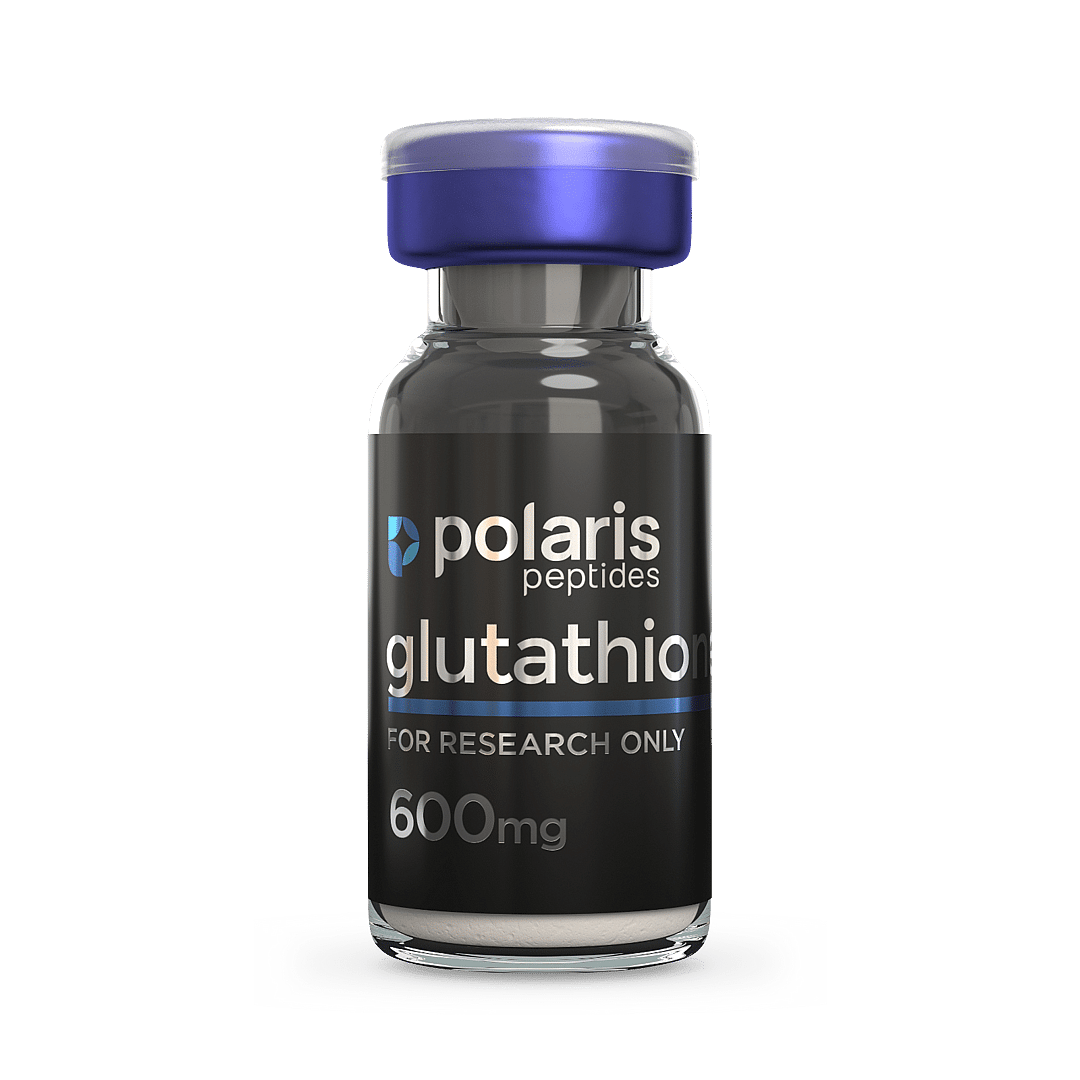
Glutathione 600mg


$60.00
Glutathione 600mg is a research compound featuring glutathione, a naturally occurring antioxidant involved in cellular protection and redox balance. It is commonly studied for its role in oxidative stress, cellular metabolism, and antioxidant defense. Suitable for research and educational applications.
Glutathione 600mg: An Informational Guide to This Antioxidant Compound
Glutathione
Glutathione is a naturally occurring antioxidant found throughout the body and within many different types of cells. It is made from three amino acids: cysteine, glutamic acid, and glycine. Because of its involvement in maintaining cellular redox balance, glutathione has become an important subject of nutritional, biochemical, and scientific research.
Glutathione 600mg provides a defined amount of glutathione for research and educational applications. Researchers studying antioxidant systems and cellular metabolism may use glutathione to better understand how cells respond to oxidative conditions.
How Does Glutathione Work?
Glutathione plays an important role in the body’s antioxidant defense system. It can participate in reactions that help maintain the balance between oxidizing and reducing compounds within cells.
One of its notable characteristics is its ability to exist in reduced and oxidized forms. The relationship between these forms is commonly studied as part of cellular redox biology.
Glutathione also participates in biochemical processes involving reactive oxygen species and other compounds. These properties make it a valuable subject for research involving oxidative stress and cellular protection.
Glutathione and Antioxidant Research
Oxidative stress occurs when the production of reactive molecules exceeds the body’s ability to maintain normal antioxidant balance. Researchers study antioxidant systems such as glutathione to better understand how cells maintain stability under different biological conditions.
Glutathione research covers several areas, including cellular metabolism, oxidative balance, antioxidant activity, and biochemical signaling. These studies may help scientists better understand the complex mechanisms involved in maintaining cellular function.
Why Is Glutathione Important in Research?
Glutathione is particularly interesting because it is naturally present in many cells and participates in several important biochemical pathways. Researchers can investigate its relationship with other antioxidants, enzymes, amino acids, and cellular processes.
Common research areas include:
- Antioxidant defense mechanisms
- Oxidative stress research
- Cellular redox balance
- Biochemical metabolism
- Glutathione-dependent enzymes
- Cellular protection mechanisms
- Nutritional and biochemical research
Glutathione 600mg Research Applications
Glutathione 600mg can be relevant to laboratory and educational research involving antioxidant biology and cellular metabolism. Researchers may examine glutathione concentrations, biochemical reactions, antioxidant pathways, and interactions with other cellular compounds.
The 600mg designation identifies the labeled quantity of glutathione in the product. Research applications should follow appropriate laboratory procedures, handling requirements, and applicable regulations.
Product Quality and Storage
When selecting a glutathione research compound, factors such as identity, purity, consistency, analytical documentation, and appropriate storage can be important considerations. Proper handling helps preserve the integrity of the compound during research and laboratory use.
Researchers should always follow the manufacturer’s storage recommendations and applicable laboratory protocols.
Glutathione 600mg Research Overview
Glutathione 600mg offers researchers a defined quantity of glutathione for investigating antioxidant activity, cellular redox balance, oxidative stress, and related biochemical pathways. As one of the body’s naturally occurring antioxidant compounds, glutathione remains an important subject in nutritional, cellular, and biochemical research.
Its involvement in multiple cellular processes makes it particularly useful for researchers seeking to understand antioxidant defense and redox biology. Glutathione research continues to contribute to a broader understanding of how cells maintain biochemical balance under different conditions.
Research Use Notice: This product description is provided for informational and research purposes. It is not intended to diagnose, treat, cure, or prevent any disease or medical condition.
| Weight/Mass | 600mg |
|---|
Related products


Longevity & Cellular Health