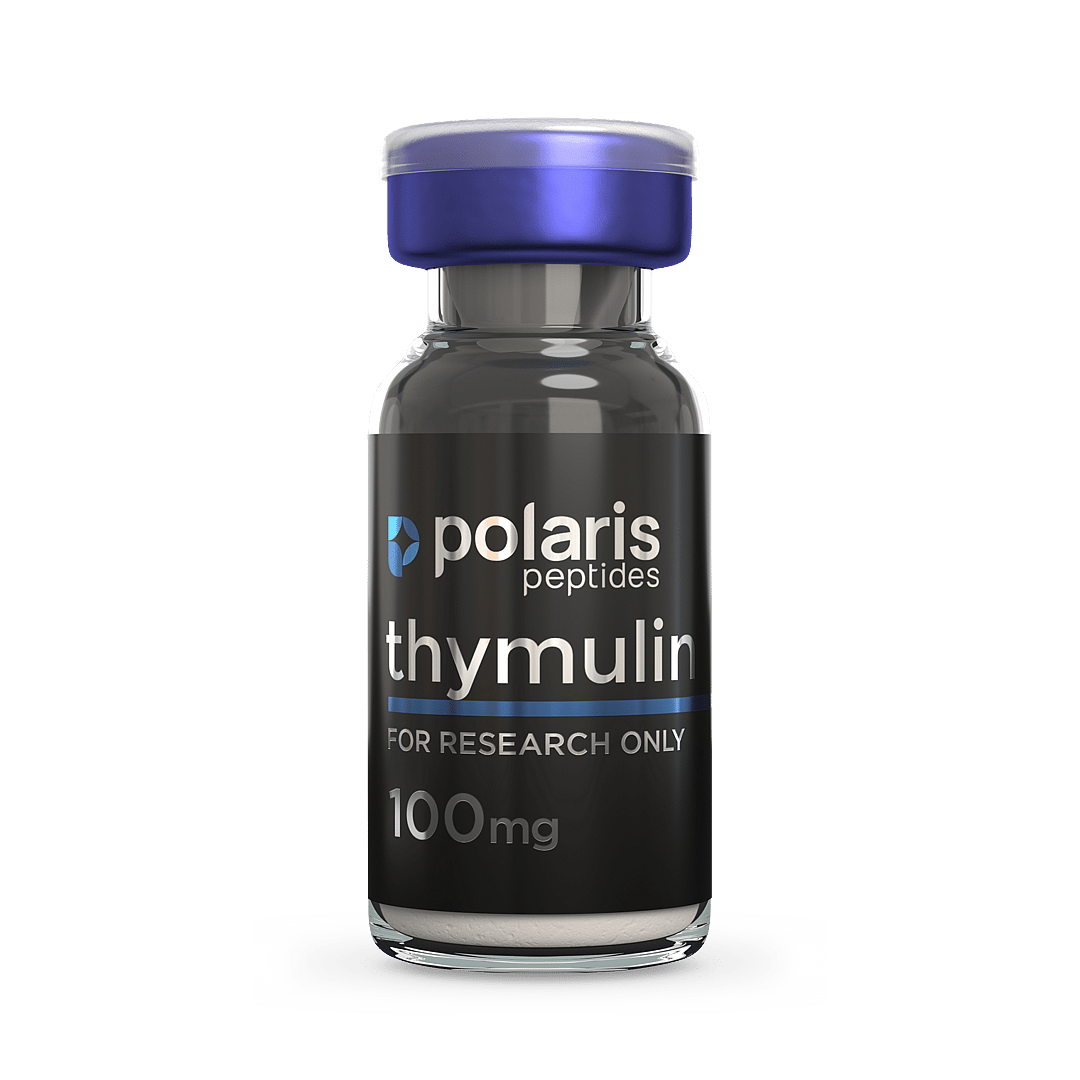
Thymulin 100mg (Thymalin)

$185.00
Thymulin 100mg (Thymalin) is an investigational peptide associated with research into immune-system signaling, thymic biology, cellular communication, and inflammatory pathways. Researchers study thymulin to better understand the relationship between thymic peptides and immune regulation. For research and educational purposes only.
Thymulin 100mg (Thymalin): An Informational Guide to Peptide Research
Thymulin
Thymulin is a naturally occurring nonapeptide associated with the thymus, an organ that plays an important role in immune-system development and regulation. Also known as thymic factor or thymulin, it has attracted scientific interest because of its relationship with immune-cell signaling and thymic biology.
Thymulin 100mg (Thymalin) is presented as an investigational research material for studies involving peptide biology, immune regulation, cellular signaling, and related biological pathways.
Thymulin and Thymic Biology
The thymus is an important component of the immune system, particularly during the development and maturation of T lymphocytes. Researchers study thymic peptides such as thymulin to better understand the molecular signals involved in immune-cell development and communication.
Thymulin has been investigated as part of broader research into how the thymus communicates with immune cells and other biological systems. These studies can provide insight into the complex relationship between endocrine, immune, and cellular signaling.
How Is Thymulin Studied?
Research involving thymulin may examine its interactions with cellular receptors, immune-related pathways, and signaling molecules. Scientists can use experimental models to investigate how thymic peptides participate in biological communication.
Thymulin research is also relevant to studies of immune-cell differentiation and the regulation of biological responses. Because the immune system involves numerous interconnected pathways, understanding individual signaling molecules can help researchers develop a more detailed picture of immune biology.
Thymulin and Immune Research
One of the main areas of scientific interest surrounding thymulin is immune-system regulation. Researchers investigate thymulin as part of the broader study of thymic hormones and peptides.
Potential research areas include:
- Thymic peptide biology
- Immune-cell signaling
- T-cell development
- Cellular communication
- Immune regulation
- Molecular biology
- Inflammatory pathway research
- Peptide structure and function
These areas remain subjects of ongoing scientific investigation, and experimental findings should not automatically be interpreted as evidence of clinical effectiveness.
Thymulin 100mg Research Applications
Thymulin 100mg may be relevant to qualified researchers studying thymic biology, peptide signaling, immunology, and cellular communication.
Laboratory research involving investigational peptides should be conducted using appropriate scientific protocols, validated analytical methods, and applicable institutional or regulatory requirements.
The 100mg designation identifies the labeled quantity of research material and should not be interpreted as an established therapeutic dose or human-use recommendation.
Product Quality and Storage Considerations
When evaluating an investigational peptide, researchers may consider factors such as identity, purity, analytical characterization, storage conditions, and supporting product documentation.
Proper handling and storage are important for maintaining the integrity of peptide research materials. Researchers should follow manufacturer specifications and appropriate laboratory procedures when working with Thymulin.
Thymulin 100mg Research Overview
Thymulin 100mg (Thymalin) is an investigational peptide research material associated with thymic biology and immune-system signaling. Its relationship with thymic function and cellular communication makes it a subject of interest in molecular biology and immunological research.
By studying thymulin, researchers can investigate how thymic peptides participate in communication between biological systems and contribute to the regulation of immune-related pathways.
Continued research may provide additional insight into thymic peptide biology, immune-cell signaling, and the complex mechanisms underlying cellular communication.
Research Use Notice: Thymulin is presented here as an investigational research compound and should not be represented as an approved treatment or substitute for medical care. This content is provided for informational and research purposes only and is not medical advice.
| Weight/Mass | 100mg |
|---|
Related products


Longevity & Cellular Health